Why Telecom Tower Power Management Matters
Telecom tower operators manage thousands of distributed sites each powered by a mix of Diesel Generators, Battery/UPS systems, and increasingly, Solar PV. Without centralized visibility and intelligent control, operators face:
Excessive DG Runtime and Fuel Waste
DGs run far longer than necessary when there’s no smart switching logic to leverage battery reserves or available solar generation.
Fuel Pilferage & Untracked Consumption
Manual fuel tracking across remote sites creates blind spots — leading to theft, inaccurate reporting, and inflated OPEX.
Frequent & Costly Site Maintenance Visit
Without remote monitoring, technicians must physically visit every site for routine checks, fault diagnosis, and data collection.
Unplanned Downtime & Network Outages
Late detection of DG failures, low fuel, or BMS faults results in extended outages that directly impact SLA compliance and revenue.
No Centralized System Oversight Controls
Disconnected sites with no unified dashboard make it impossible to benchmark performance, plan maintenance, or optimize energy costs across the fleet.

Rising Carbon Emissions & Sustainability Pressure
Regulators and stakeholders increasingly demand lower diesel dependency and verifiable adoption of renewable and sustainable energy practices globally
Up to 35%
Reduction in DG Runtime
40%
Reduction in Fuel Consumption
25 – 35 %
Fewer On-Site Visits
1000+
Towers Managed from One Platform
How IIoTNext Solves Telecom Tower Power Challenges
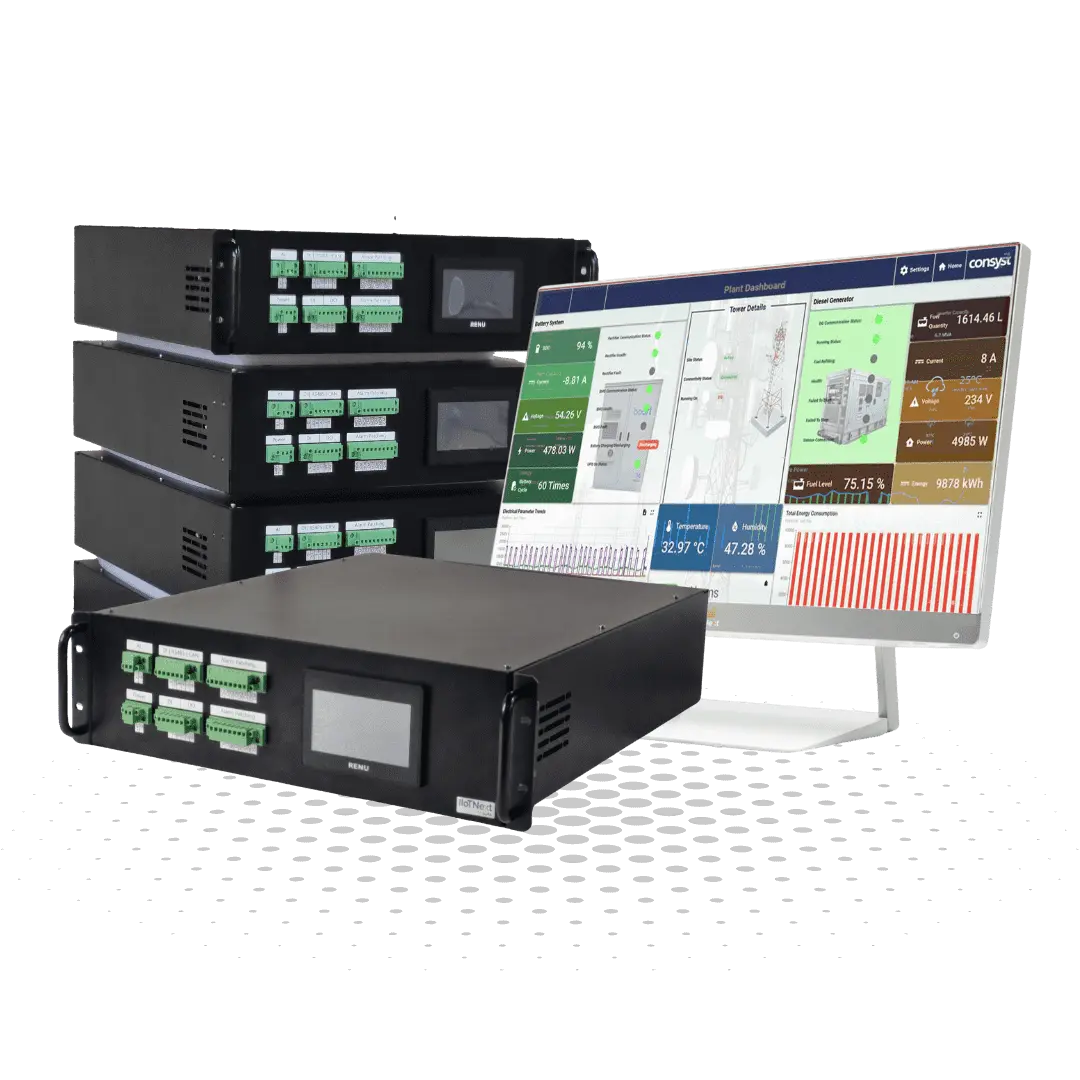
IIoTNext delivers a pre-wired, rack-based hybrid power management solution purpose-built for telecom tower environments. Powered by the IIoTNext MicrEdge 370 an industrial hybrid controller and IoT gateway the system intelligently switches between Diesel Generators, Battery/UPS systems, and Solar PV sources while streaming real-time operational data to a centralized cloud platform.
1. HARDWARE: IIoTNext MicrEdge 370 Hybrid Controller Box
A rack-mountable, plug-and-play unit with built-in HMI, smart switching logic, and multi-protocol data acquisition — designed to drop into existing telecom cabinets.
2. SOFTWARE: IIoTNext Cloud Platform
A secure, cloud-based monitoring and control platform for real-time dashboards, automated reporting, alerts, and fleet-wide analytics accessible from any browser or mobile device.
System Architecture

The Smart Edge - IIoTNext MicrEdge 370
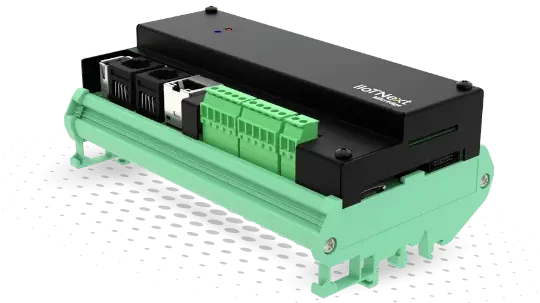
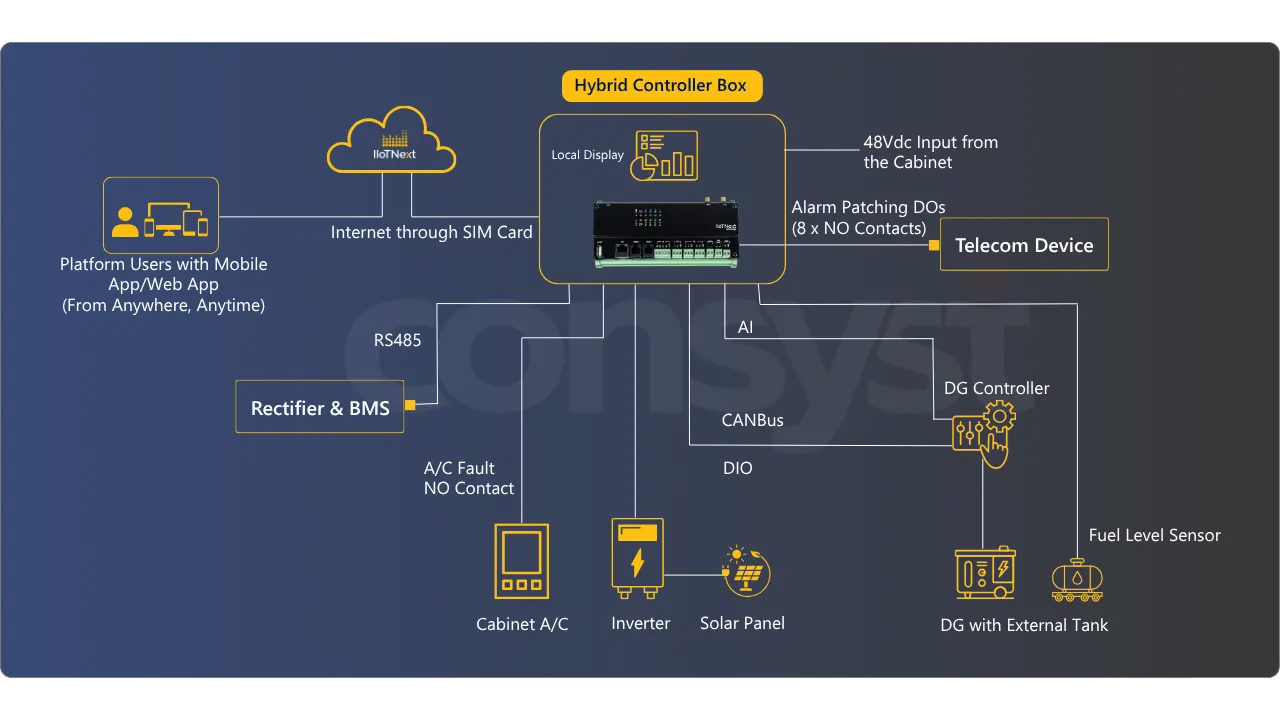
At the core of the solution is the IIoTNext MicrEdge 370 - a powerful hybrid controller and industrial IoT gateway. The rack-mountable box is custom-built with an HMI for local display, the hybrid controller, and supporting accessories for seamless integration in telecom tower environments.
- Multi-Source Data Acquisition: Modbus RTU, CANbus, Solar PV inverter protocols, and hardwired I/Os.
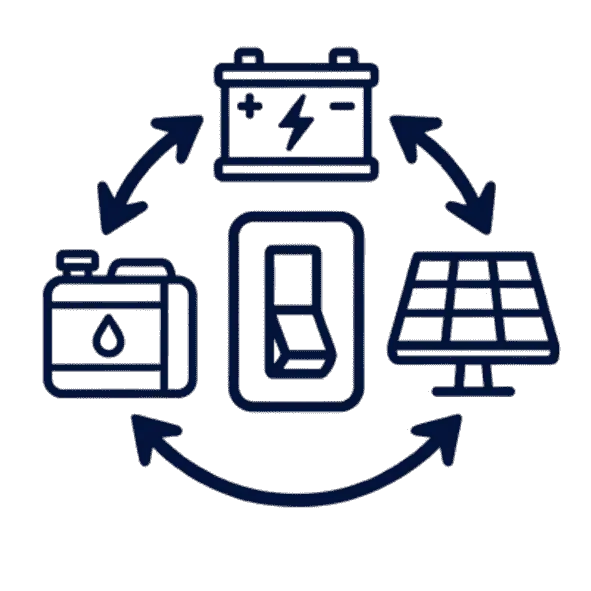
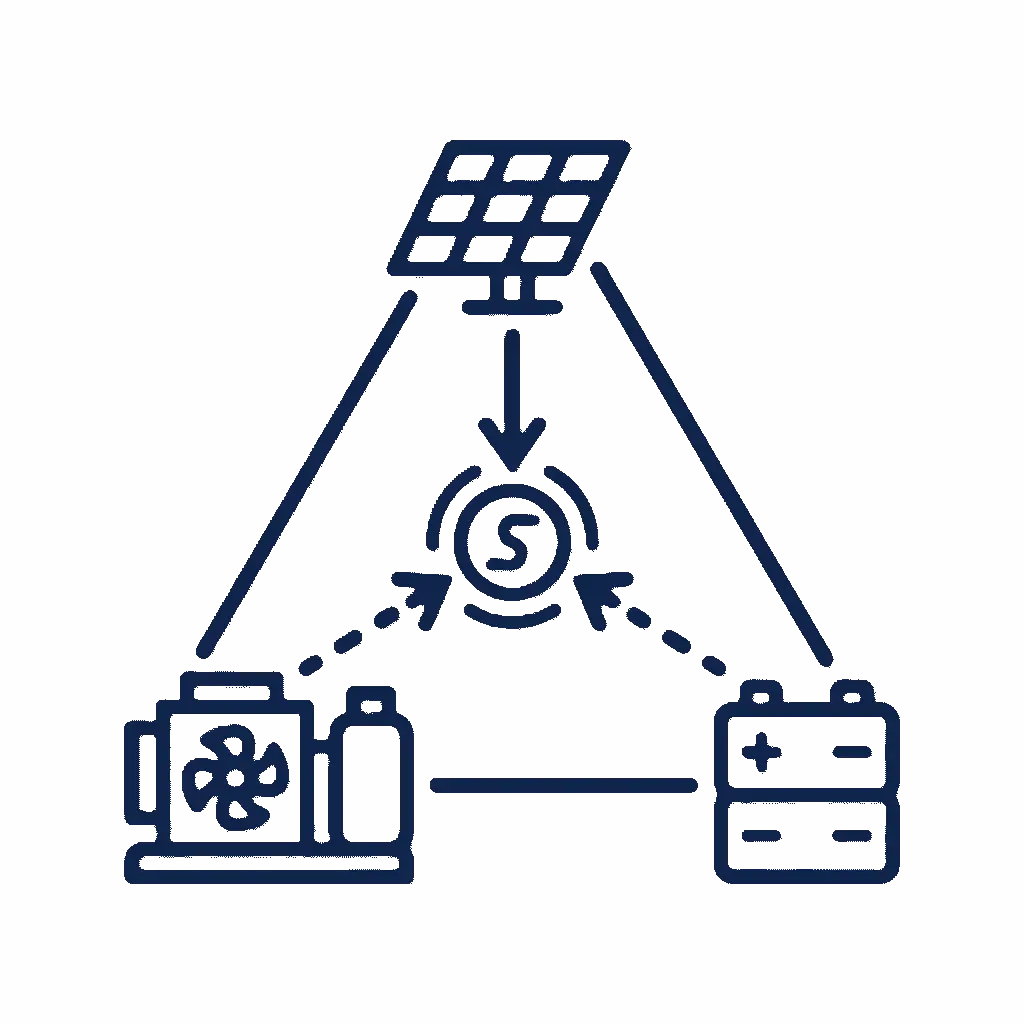
- Smart Power Switching: Intelligently switches between DG, Solar, and Battery based on internal logic - battery SOC, fuel levels, solar generation, and load demand.
- Flexible Connectivity: Supports GSM/4G LTE, Wi-Fi, or Ethernet for reliable communication to the cloud.
- Fuel Level Monitoring:Tracks fuel levels in real time to prevent theft and shortage.
- Remote Genset Control:Safely start or stop DGs remotely via SMS or the cloud platform.
- Local HMI Display:Onsite screen shows vital operating and performance parameters for field technicians.
Key Features
-
Automated DG-Battery-Solar PV Switchover
Intelligent switching based on battery SOC, fuel levels, solar generation, and load demand. No manual intervention required.
-
Solar-First Algorithm
Optimized logic prioritizes Solar PV and Battery Energy Storage for maximum fuel savings, with DGs activated only as backup.
-
Real-Time Multi-Source Monitoring with Local HMI
Gain on-site visibility into DG performance, battery health, rectifier status, solar PV metrics, and fuel levels.
-
Scalable & Cloud-Connected with Multi-Protocol Support
Secure 4G/LTE data transmission to central monitoring systems. Seamless interoperability through Modbus, CAN, MQTT, and other industry protocols.
-
Rack-Mount Compact Design
Pre-wired, modular design for easy integration into existing telecom cabinets. Plug-and-play deployment.
-
Advanced Alerts & Alarms
Instant notifications for DG start/stop failure, low fuel, BMS/rectifier faults, and connectivity loss via SMS and Email.
IIoTNext Cloud Platform - Centralized Monitoring & Control
The IIoTNext Platform is a secure, cloud-based system for real-time and historical data visualization, accessible anywhere, anytime. It enables operators to remotely manage, optimize, and scale tower power operations across their entire fleet.
- Cloud-Based Dashboards: Centralized monitoring, visualization, and alerting for all tower sites from a unified dashboard
- Live Insights: Real-time fuel levels, battery SOC, solar generation, DG run-hours, and energy output - all in one view.
- Custom Alerts: SMS/Email notifications for alarms, thresholds, and failures. Configure rules for low fuel, DG failure, BMS faults, and more.
- Automated Reporting: Scheduled PDF/Excel reports - hourly, daily, monthly, and yearly - delivered automatically.
- Multi-Device Access: Mobile app (Android) + web browser interface for anytime, anywhere access.
- Enterprise-Grade Security: Role-based access, encrypted communication, and secure data storage.
What You Can Monitor - At Every Tower, in Real Time
-
Live generator status and operating condition
-
DG run-hours for accurate maintenance scheduling
-
Energy production and consumption analytics
-
Real-time fuel level tracking with pilferage detection
-
Battery SOC, charge/discharge cycles, and BMS health
-
Solar PV generation and inverter performance
-
Rectifier output and load performance
-
Cabinet temperature and humidity
-
Power source switching status (DG / Battery / Solar)
-
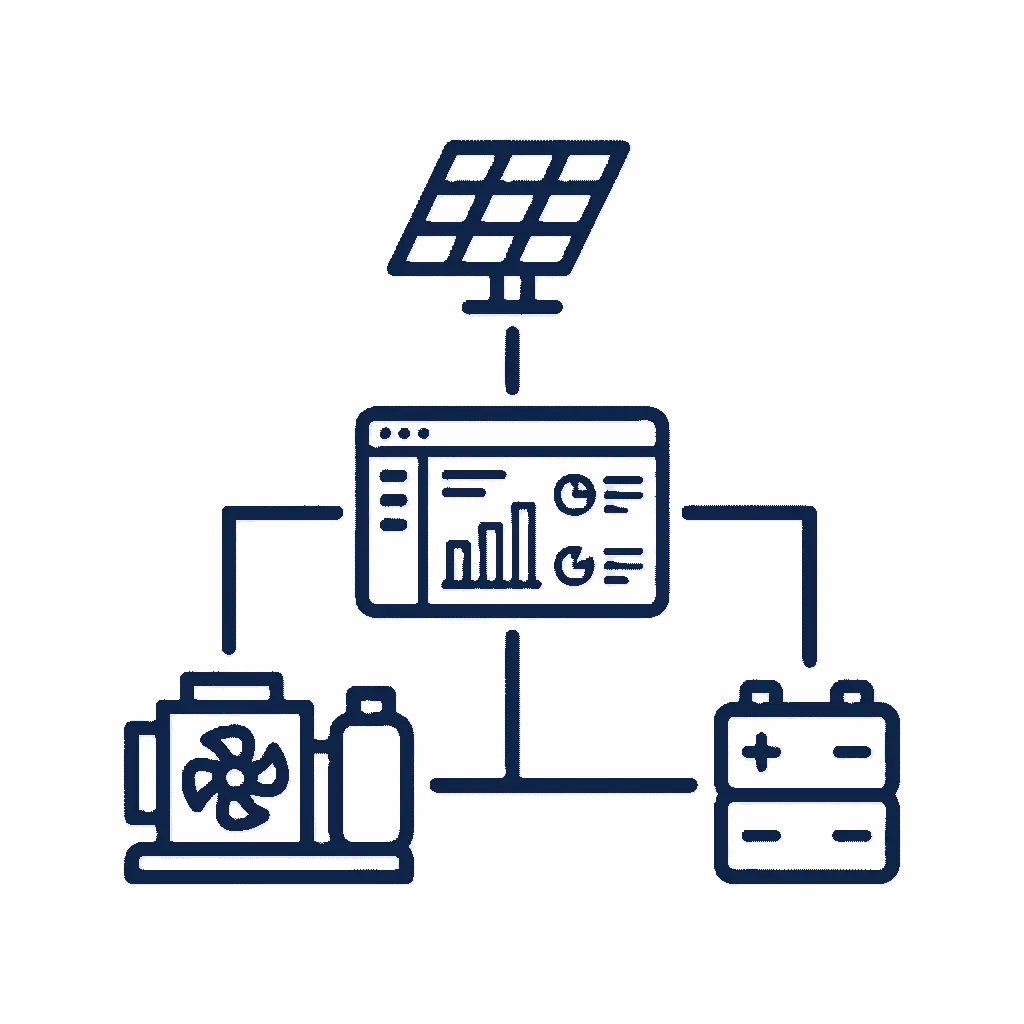
Centralized fleet-wide performance dashboards
Proven in the Field
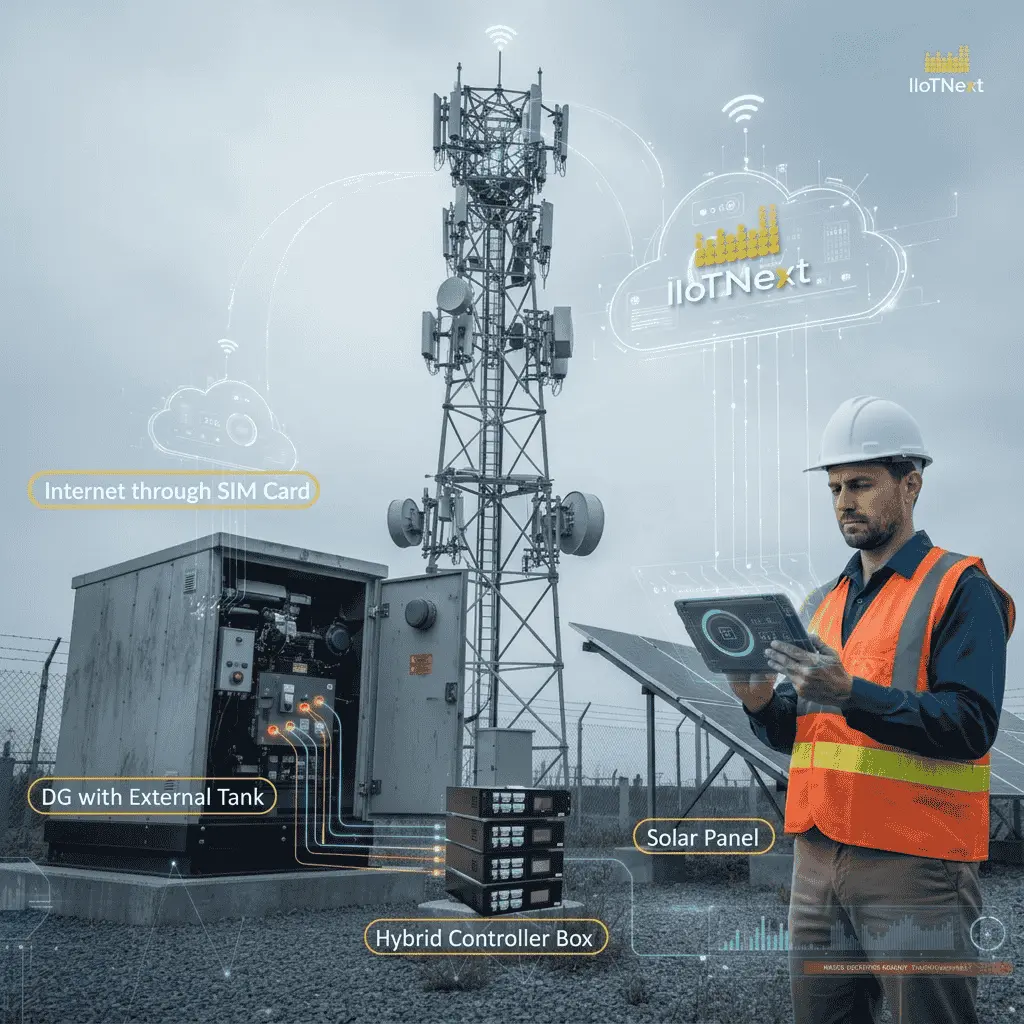
See how IIoTNext’s Hybrid Power Controller transformed power operations for a telecom tower operator - delivering measurable reductions in DG runtime, improved fuel efficiency, higher uptime through proactive alerts, and centralized fleet management across distributed sites.
Key Outcomes:
- Significant reduction in generator runtime through optimized DG-Battery-Solar PV management
- Improved fuel efficiency through intelligent solar-first switching
- Higher uptime through proactive alerts and remote fault detection
- Simplified maintenance via cloud-based diagnostics
- Reduced operational costs by minimizing site visits
The Business Impact
-
Solar-First & Sustainable
Prioritize Solar PV and Battery to reduce DG runtime and carbon emissions. Meet sustainability mandates with verifiable data.
-
Fuel & Cost Efficient
Optimize fuel usage, prevent pilferage, and cut maintenance expenses. Achieve significant per-tower annual savings.

-
High Uptime & Network Reliability
Early alerts and remote fault detection minimize downtime and failures — protecting SLA compliance and revenue.

-
Remote Monitoring & Control
Centralized visibility and control across all tower sites. Eliminate unnecessary site visits and manual data collection.
-
Seamless Integration
Rack-mount, plug-and-play deployment into existing telecom cabinets. No structural modifications required.
-
Scalable & Future-Ready
Manage 1,000+ tower sites from one platform. Add new sites with minimal effort as your network grows.
FAQs
How does the Solar-First algorithm reduce fuel costs?
The system’s logic prioritizes Solar PV and Battery Energy Storage as the primary power sources. DGs are activated only when battery SOC drops below a configurable threshold and solar generation is insufficient. This dramatically reduces DG runtime and fuel consumption — often by up to 40%.
What happens if the internet connection drops?
The MicrEdge 370 continues to operate autonomously — logging data locally and managing power switching based on its embedded logic. Once connectivity is restored, buffered data is automatically synced to the cloud platform. No data is lost.
Do we need specialized technical staff to operate the system?
No. The system is designed for ease of use. The local HMI provides onsite visibility for field teams, while the cloud platform offers an intuitive interface for NOC operators and management. Automated alerts and reports reduce the need for manual oversight.
How does the Hybrid Power Controller integrate with existing telecom tower setups?
The system is designed as a rack-mount, plug-and-play unit that fits directly into standard telecom cabinets. It connects to DG controllers via CANbus, rectifiers/BMS via Modbus RS485, solar inverters via standard protocols, and fuel sensors via analog inputs. No major structural changes are needed.
Can it manage power across multiple tower sites from one dashboard?
Yes. The IIoTNext Cloud Platform provides centralized monitoring and control for all connected tower sites. You can view real-time data, compare performance across sites, set alerts, and generate reports - all from a single browser or mobile app interface.
What protocols and connectivity options are supported?
The MicrEdge 370 supports Modbus RTU, CANbus, MQTT, and hardwired I/Os for data acquisition. For cloud connectivity, it supports GSM/4G LTE, Wi-Fi, and Ethernet — ensuring reliable communication even in remote locations.
Ready to Transform Your Tower Power Operations?
Get in touch with our team to discuss how IIoTNext can help you to cut fuel costs, improve uptime, and gain centralized control across your telecom tower fleet.
IIoTNext@consyst.biz | iiotnext.com