In today's maritime industry, fuel is the single largest operating cost for any vessel — often accounting for a significant portion of total voyage expenses. Yet for many vessel owners and fleet managers, real-time visibility into fuel consumption remains a challenge. Manual logs, isolated onboard systems, and the absence of centralized monitoring make it difficult to detect inefficiencies, verify bunkering quantities, or compare performance across a fleet.
IIoTNext addresses this through a purpose-built remote fuel monitoring solution that connects existing onboard instruments to a centralized cloud platform — giving authorized teams real-time dashboards, historical reports, and fleet-wide visibility from any device, anywhere.
Remote Fuel Monitoring Solutions for marine vessels from IIoTNext
The IIoTNext solution enables remote fuel monitoring for single or multiple vessels by integrating existing onboard instruments with the IIoTNext cloud platform. Flow meters installed on key fuel lines — covering bunkering, crane, engine, and diesel generator systems — serve as the primary data source. This data is collected through a data acquisition panel on the vessel.
The collected data is transmitted via Internet or VSAT connectivity to the IIoTNext platform, where it is securely stored, processed, and visualized. Local SCADA screens at the Bridge and ECR allow onboard operators to monitor fuel consumption and operational parameters in real time — ensuring full situational awareness even when offshore connectivity is limited.
How It Works
-
Data Acquisition
Flow meters installed on fuel lines across bunkering, crane, main engine, and diesel generator systems continuously measure fuel consumption. This data is routed to a data acquisition panel in the ECR.
-
Local Monitoring
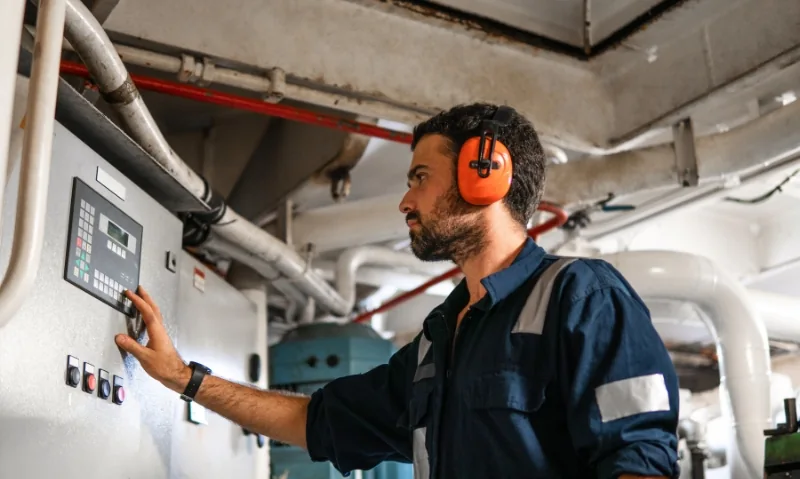
Local SCADA screens at the Bridge and ECR provide onboard operators with a real-time view of fuel consumption and system parameters. This ensures the onboard team has immediate access to operational data regardless of connectivity status.
-
Remote Monitoring
Data is transmitted to the IIoTNext cloud platform over Internet or VSAT. Authorized users can access real-time dashboards, historical data, and performance trends from desktop or mobile devices — from anywhere in the world.
What the IIoTNext Platform Delivers
-
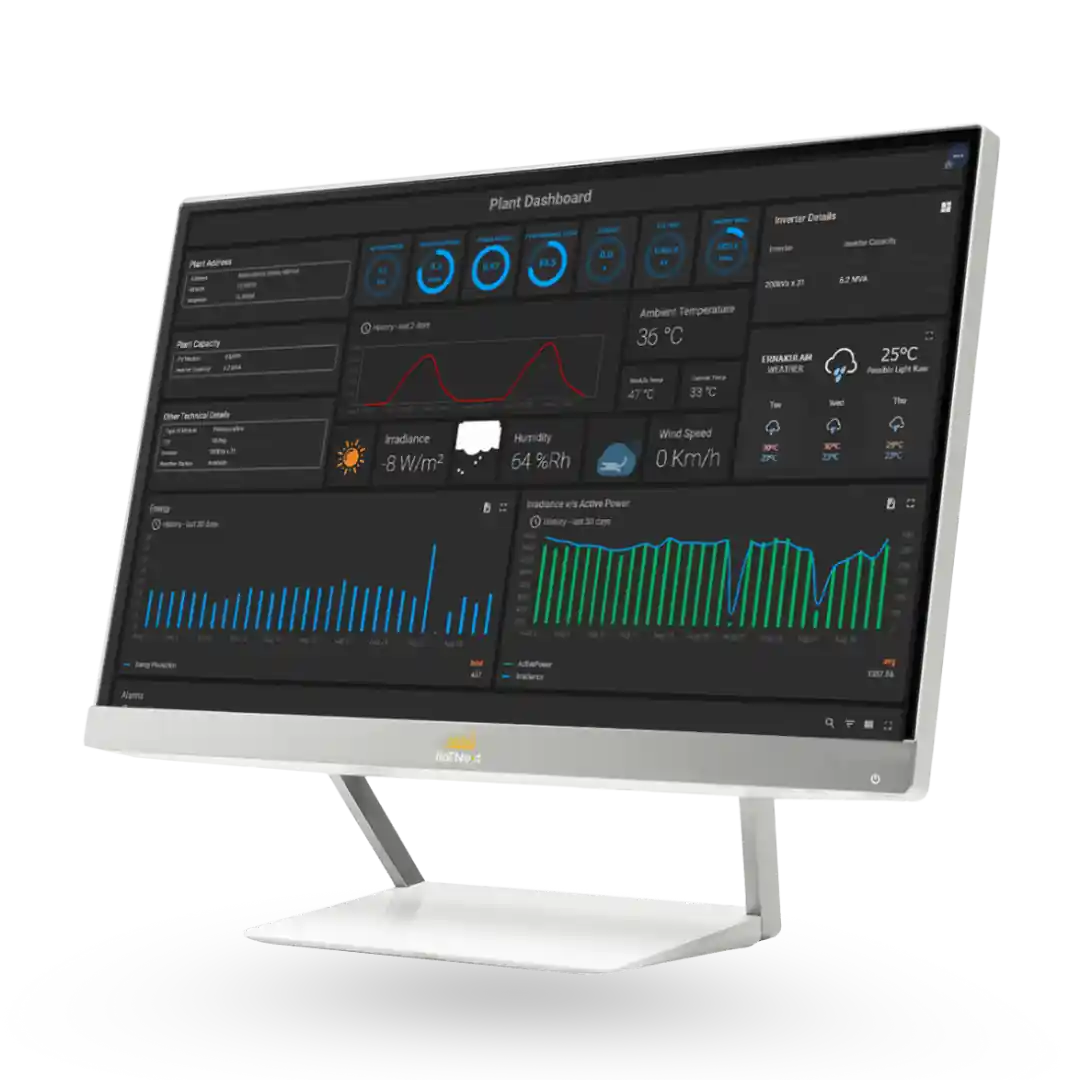
Real-Time Fuel Dashboards — Monitor live fuel consumption across all onboard systems — bunkering, crane operations, main engines, and diesel generators — from a single, unified interface.
-
Fuel Consumption Reports by Operational Mode — The platform generates detailed fuel consumption reports segmented by operational mode, including jacking up, sailing, standby, and other vessel-specific modes. This enables vessel managers to accurately track and compare fuel usage across different phases of operation and make informed decisions to reduce waste.
-
Historical Data and Performance Trends — Access historical fuel data for in-depth analysis, voyage comparisons, and long-term trend identification — supporting better planning and operational benchmarking.
-
Fleet-Wide Centralized Monitoring — Fleet managers can monitor multiple vessels from a single interface, compare fuel performance across the fleet, track usage patterns, and identify high-consumption vessels for targeted intervention.
-
Role-Based Access Control — The platform supports multiple user accounts with access levels defined by role — ensuring that vessel crews, technical superintendents, fleet managers, and shore management each see what is relevant to them, securely.
-
Mobile and Desktop Accessibility — Dashboards and reports are accessible from any internet-enabled device, giving shore teams and management real-time visibility without being physically present on the vessel.
Addressing Key Challenges in Marine Fuel Monitoring
While the benefits of remote monitoring are clear, vessel owners and maintenance teams face several challenges while implementing / managing such systems.

Lack of Real-Time Visibility
Without automated monitoring, vessel teams rely on manual readings that are infrequent and prone to error. The IIoTNext solution provides continuous, automated data collection from flow meters, eliminating dependency on manual logs, and always giving both onboard and shore teams a live view of fuel consumption.
Integration with Existing Onboard Systems
Every vessel has a unique combination of instruments, panels, and control systems from various vendors. The IIoTNext solution is designed to work with existing onboard infrastructure. The control panel can be integrated with the client's existing system, avoiding costly replacements and minimizing installation disruption.
Connectivity Limitations
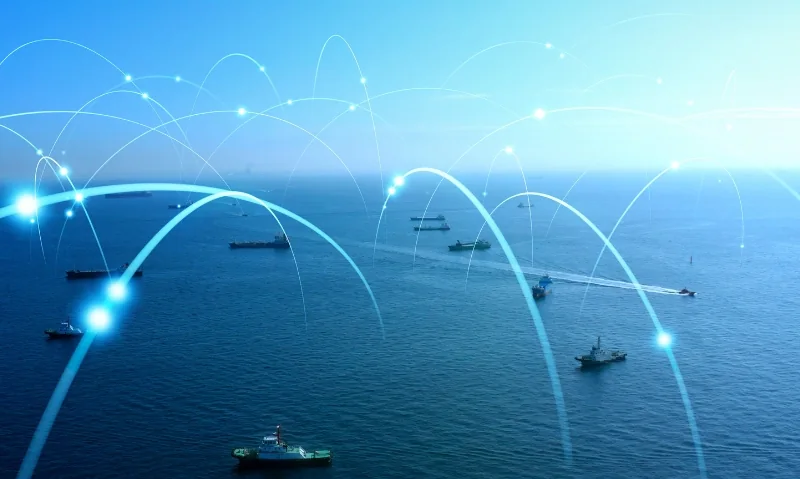
Vessels frequently operate in areas where internet connectivity is expensive or intermittent. The IIoTNext architecture addresses this with local SCADA monitoring at the Bridge and ECR, ensuring that onboard operations are never disrupted. Data is synchronized to the cloud platform as and when connectivity is available.
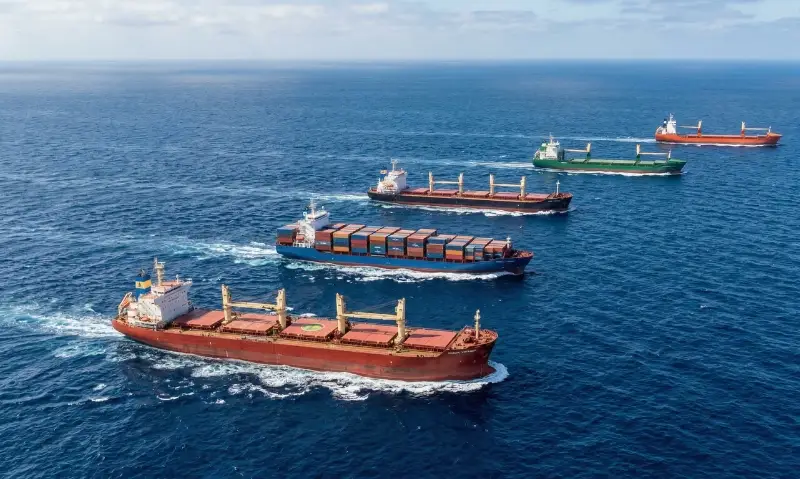
Scalability Across a Fleet
Expanding monitoring to additional vessels is straightforward with the IIoTNext platform. Each vessel connects to the same centralized cloud platform, and fleet operators can onboard new vessels without rebuilding the monitoring architecture from scratch. All vessels are visible from a single interface, making fleet-level insights readily accessible.
Looking to optimize your Maritime Operations with IoT? Get in touch with us to schedule a demo and find out how our customized solutions can unlock greater efficiency